
Bicycle Accident Guide: Rights, Injuries & Compensation
Bicycle accidents are far more common than most people realize, and they often result in severe injuries due to the lack of protection that cyclists have compared to motor vehicle occupants. When a bicycle collides with a car, truck, or even another cyclist, the person on the bike is vulnerable to traumatic injuries that can change their life forever. If you or a loved one has been involved in a bicycle accident, understanding your legal rights, the types of compensation available, and the steps you need to take to protect your claim is essential. This guide provides a comprehensive overview of everything you need to know after a bicycle accident, from determining fault to navigating insurance claims and pursuing legal action when necessary.
Cycling has grown significantly in popularity over the past decade, both as a mode of transportation and as a recreational activity. More bikes on the road means more opportunities for accidents to occur. Whether you are a daily commuter, a weekend warrior, or someone who occasionally rides for exercise, the risk of being involved in a crash is real. Many drivers are not accustomed to sharing the road with cyclists, and distracted driving, speeding, and failure to yield are leading contributors to bicycle accidents. Understanding the causes and consequences of these accidents is the first step toward protecting yourself and seeking justice if you are ever involved in one.
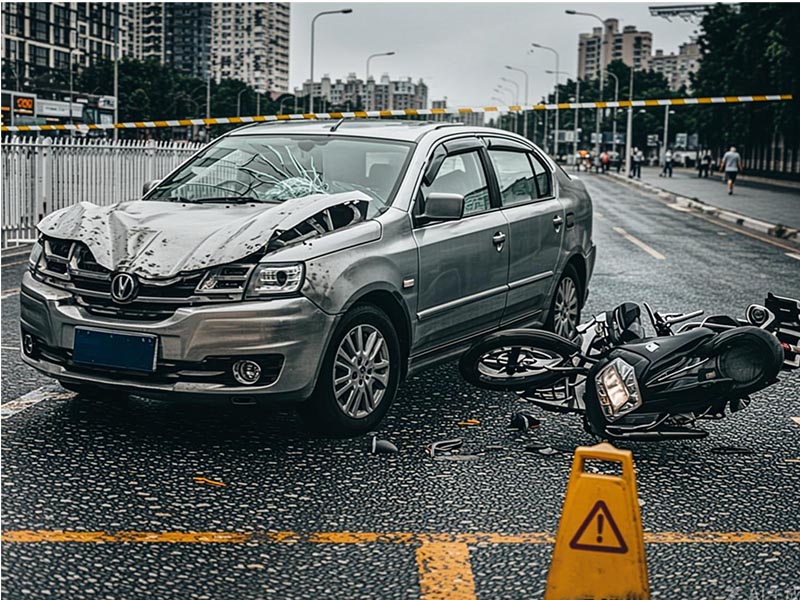
Bicycle Accident Statistics
Understanding the scope of bicycle accidents helps underscore the importance of safety and legal preparedness. According to data from the National Highway Traffic Safety Administration (NHTSA) and the Centers for Disease Control and Prevention (CDC), hundreds of cyclists are killed each year in the United States, and tens of thousands more are treated in emergency rooms for non-fatal injuries. The number of fatal bicycle accidents has been on the rise in recent years, with urban areas seeing the highest concentration of incidents.
Statistics show that most bicycle accidents occur during daylight hours on weekdays, which correlates with commuter traffic patterns. Intersections are particularly dangerous for cyclists, with a significant percentage of crashes happening when a motorist turns left or right into the path of an oncoming cyclist. Interestingly, a substantial number of bicycle accidents do not involve motor vehicles at all, with falls, collisions with pedestrians, and crashes caused by road hazards also accounting for many injuries. Understanding these patterns helps cyclists identify the most dangerous situations and take appropriate precautions, such as using designated bike lanes, wearing reflective gear, and remaining vigilant at intersections.
Common Causes of Bike Accidents
Bicycle accidents can happen for many reasons, and identifying the cause is critical for determining liability in a legal claim. One of the most common causes is driver inattention or distraction. When a driver is texting, eating, adjusting the radio, or otherwise not paying full attention to the road, they may fail to see a cyclist until it is too late. This is especially dangerous in urban environments where cyclists share the road with heavy traffic.
Another frequent cause is the failure of drivers to yield the right of way to cyclists. This often occurs at intersections when a driver makes a turn without checking for approaching cyclists, or when a driver pulls out from a stop sign or driveway without seeing a bike coming. Dooring is another specific type of accident where a driver or passenger opens a car door into the path of an oncoming cyclist. This can cause the cyclist to crash into the door or swerve into traffic to avoid it, resulting in serious injuries.
Road hazards such as potholes, uneven pavement, debris, and poorly designed bike lanes also contribute to many bicycle accidents. When a government entity fails to maintain safe road conditions, it may be held liable for injuries that result. Similarly, defective bicycle parts or improper maintenance can cause mechanical failures that lead to crashes. Understanding the cause of your accident is essential for building a strong legal case and securing the compensation you deserve.
Injuries Cyclists Frequently Suffer
The injuries sustained in bicycle accidents can range from minor scrapes and bruises to catastrophic, life-altering conditions. Because cyclists have no protective shell around them, their bodies absorb the full force of any impact. Traumatic brain injuries are among the most serious and common injuries in bicycle accidents, even when the cyclist is wearing a helmet. A blow to the head can cause concussions, contusions, and more severe brain damage that may result in permanent cognitive impairment.
Fractures and broken bones are also extremely common. The arms, collarbone, ribs, and legs are particularly vulnerable when a cyclist is thrown from their bike or struck by a vehicle. Road rash, while less dramatic than a fracture, can be extremely painful and prone to infection if not properly treated. In more severe accidents, cyclists may suffer spinal cord injuries that can lead to partial or complete paralysis. Internal injuries such as organ damage and internal bleeding are also possible, especially in high-impact collisions with motor vehicles.
Long-Term Consequences
Beyond the immediate physical injuries, bicycle accident victims often face long-term consequences that affect their quality of life. Chronic pain, reduced mobility, and emotional trauma such as post-traumatic stress disorder (PTSD) are common. Many victims require extensive physical therapy, rehabilitation, and ongoing medical care. Lost wages from missed work and diminished earning capacity can create financial hardship. These long-term impacts are an important consideration when calculating the compensation you should seek in a legal claim.
Determining Fault in Bike Accidents
Georgia follows a modified comparative negligence rule, which means that your ability to recover compensation depends on your percentage of fault for the accident. If you are found to be 50 percent or more at fault, you cannot recover any damages. If you are less than 50 percent at fault, your compensation is reduced by your percentage of fault. For example, if you are 20 percent at fault and your damages are $100,000, you would receive $80,000.
Determining fault in a bicycle accident requires a thorough investigation of the facts. Evidence such as police reports, witness statements, traffic camera footage, and photographs of the scene are all critical. Accident reconstruction experts may be brought in to analyze the dynamics of the crash and determine how it happened. In some cases, both the cyclist and the driver may share fault. For instance, a driver who runs a stop sign is clearly at fault, but if the cyclist was riding without lights at night, they may be assigned some degree of comparative fault as well.
It is important to note that cyclists have the same rights and responsibilities as drivers under Georgia law. This means cyclists must obey traffic signals, use hand signals when turning, and ride in the same direction as traffic. Violating these rules can be used against a cyclist in a fault determination. Working with an experienced attorney can help ensure that fault is assigned accurately and that you are not unfairly blamed for the accident.
Insurance Coverage for Cyclists
Insurance coverage for bicycle accidents can be complex because cyclists are typically covered by multiple policies. If the accident was caused by a motorist, their auto liability insurance is the primary source of compensation. However, if the driver is uninsured or underinsured, you may need to turn to your own insurance policies for coverage. Your auto insurance policy may include uninsured motorist (UM) and underinsured motorist (UIM) coverage, which can help pay for your damages when the at-fault driver has insufficient insurance.
Health insurance will typically cover your medical treatment, but you may be required to reimburse your health insurer from any settlement or verdict you receive. This is known as subrogation. Some cyclists also have umbrella insurance policies that provide additional liability coverage. If you were riding your bike as part of your job, workers' compensation may also be available. An experienced bicycle accident attorney can help you navigate the complexities of insurance coverage and ensure that all available sources of compensation are pursued.
Steps to Take After a Bicycle Accident
What you do immediately after a bicycle accident can have a significant impact on your health and your legal claim. The first priority is always your safety and medical well-being. Call 911 immediately and request police and medical assistance. Even if you feel fine, it is important to be evaluated by a medical professional because some injuries, such as internal bleeding or concussions, may not be immediately apparent.
While waiting for help to arrive, if you are able, gather evidence at the scene. Take photographs of your bike, the vehicle involved, the road conditions, and your injuries. Get the contact information and insurance details from the driver, and ask any witnesses for their names and phone numbers. Do not admit fault or apologize, as your words can be used against you later. When the police arrive, provide a factual account of what happened but stick to the facts and avoid speculation.
After seeking medical attention, report the accident to your insurance company as soon as possible. Be honest about what happened, but be cautious about giving recorded statements without first consulting an attorney. Keep detailed records of all medical treatment, expenses, and any communications with insurance companies. Preserve your bicycle and any damaged equipment as evidence. Finally, consult with a personal injury attorney who has experience handling bicycle accident cases. They can advise you on your rights, evaluate the strength of your claim, and handle all communications with insurance companies on your behalf.
Compensation Available
Victims of bicycle accidents may be entitled to various types of compensation, depending on the circumstances of the crash and the severity of their injuries. Economic damages include medical expenses such as emergency room visits, surgery, hospitalization, physical therapy, medication, and future medical care. Lost wages and loss of earning capacity are also recoverable if your injuries prevent you from working. Property damage covers the cost of repairing or replacing your bicycle and any other personal property that was damaged in the accident.
Non-economic damages compensate you for the intangible impacts of your injuries. Pain and suffering, emotional distress, loss of enjoyment of life, and loss of consortium are all types of non-economic damages. In cases where the at-fault party's conduct was particularly reckless or egregious, punitive damages may also be awarded to punish the wrongdoer and deter similar conduct in the future. An experienced attorney can help you calculate the full value of your claim and negotiate aggressively with insurance companies to ensure you receive fair compensation.
Frequently Asked Questions
Fault depends on the specific facts of each accident. In many cases, the motor vehicle driver is at fault due to distracted driving, failure to yield, or violating traffic laws. However, cyclists can also be found at fault if they disobey traffic signals, ride against traffic, or otherwise act negligently. Georgia's comparative negligence law allows fault to be shared between the parties, so even if you as a cyclist were partially at fault, you may still recover compensation as long as you are less than 50 percent responsible.
Yes, you can still claim compensation even if you were not wearing a helmet, but it may affect your claim. Georgia does not have a universal helmet law for adult cyclists, so riding without a helmet is not automatically considered negligence. However, if your injuries would have been less severe had you been wearing a helmet, the insurance company may argue that you are partially at fault for your damages. This could reduce your compensation under Georgia's comparative negligence rules.
Multiple insurance policies may provide coverage for a bicycle accident. The at-fault driver's auto liability insurance is typically the primary source. Your own auto insurance policy may provide coverage through uninsured or underinsured motorist provisions. Your health insurance will cover medical treatment, and if you have an umbrella policy, it may provide additional coverage. Homeowners or renters insurance may also cover theft of your bicycle but generally does not cover accident-related injuries.
In Georgia, the statute of limitations for personal injury claims arising from a bicycle accident is generally two years from the date of the accident. If your claim is against a government entity, such as a city or county for a poorly maintained road, the timeframe is much shorter, often just six months or one year. Missing these deadlines can result in the permanent loss of your right to seek compensation, so it is important to act promptly and consult an attorney as soon as possible.
While you are not legally required to hire a lawyer, having an experienced personal injury attorney can significantly improve the outcome of your case. Bicycle accident claims can be complex, especially when determining fault, dealing with insurance companies, and calculating damages. An attorney can investigate the accident, gather evidence, negotiate with insurance companies, and represent you in court if necessary. Studies show that accident victims who hire attorneys typically receive higher settlements than those who handle claims on their own.