
Construction Zone Accidents: Worker Safety and Legal Rights
Construction zones are among the most dangerous places to work in the United States. Each year, hundreds of construction workers are killed and tens of thousands are seriously injured in accidents on construction sites and in work zones. At the same time, drivers and pedestrians who pass through construction zones also face significant risks, with thousands of motor vehicle crashes occurring in work zones annually. The combination of heavy equipment, moving vehicles, elevated work areas, hazardous materials, and constantly changing conditions creates a uniquely dangerous environment that requires rigorous safety protocols and vigilant oversight. This guide provides a comprehensive overview of construction zone accidents, including common causes, the legal rights of injured workers and drivers, safety regulations, and steps to take after an accident.
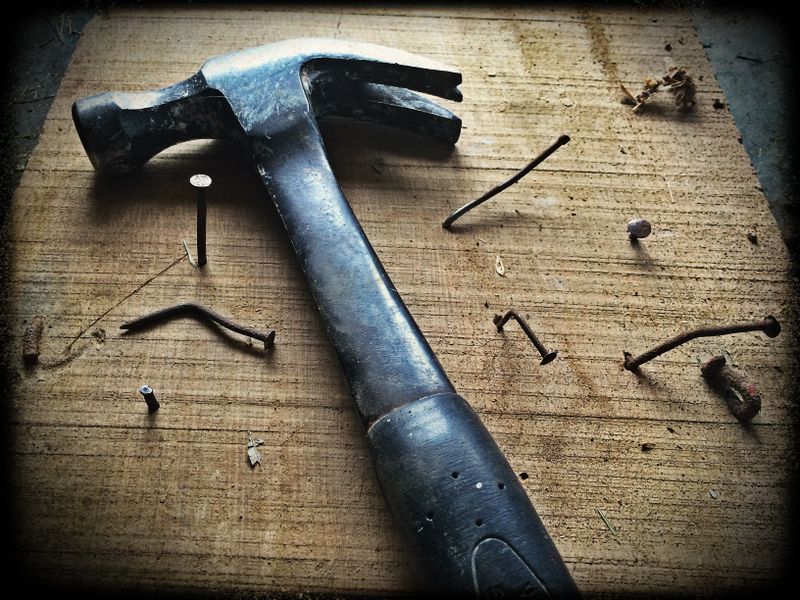
Construction Zone Accident Statistics
The construction industry accounts for a disproportionate share of workplace fatalities and injuries. According to the Bureau of Labor Statistics, construction workers are involved in approximately 20% of all workplace fatalities, despite representing only about 5% of the total workforce. The leading causes of construction deaths are known as the "Fatal Four": falls, being struck by objects, electrocutions, and caught-in or between hazards. These four categories account for more than half of all construction worker deaths each year.
In addition to worker injuries, construction zone accidents also claim the lives of motorists and pedestrians. According to the Federal Highway Administration, there were over 700 fatalities in highway work zones in a recent year, and tens of thousands of injuries. Most of these crashes involved a motor vehicle striking a construction worker, another vehicle, or a fixed object within the work zone. The majority of work zone fatalities are drivers or passengers, not construction workers, highlighting the danger that construction zones pose to the traveling public.
Beyond the human toll, construction zone accidents carry a significant economic cost. Work-related injuries in construction result in billions of dollars in medical expenses, lost wages, and workers' compensation claims each year. Motor vehicle crashes in work zones add additional costs for vehicle repairs, medical treatment, legal fees, and traffic delays. The total economic impact of construction zone accidents is estimated in the tens of billions of dollars annually.
Common Causes of Construction Zone Accidents
Construction zone accidents can result from a wide range of hazards, and understanding these common causes is essential for prevention. One of the most frequent causes is falls from height. Construction workers often operate on scaffolding, ladders, roofs, and elevated platforms, and fall protection measures such as guardrails, safety nets, and personal fall arrest systems are not always used properly. Falls from height can result in catastrophic injuries including spinal cord damage, traumatic brain injuries, and death.
Being struck by objects is another major cause of construction zone accidents. Tools, materials, and debris can fall from elevated work areas, striking workers below. Cranes, forklifts, and other heavy equipment can swing into workers who are not aware of their surroundings. Vehicles operating within the construction zone can strike workers who are on foot. The use of hard hats, high-visibility clothing, and designated walkways can reduce the risk of being struck, but these measures are not always followed.
Electrocutions are a significant hazard in construction zones, particularly on sites where workers are near power lines or working with electrical equipment. Contact with overhead power lines, faulty wiring, and improperly grounded equipment can result in fatal or severe electrical injuries. Lockout-tagout procedures, proper training, and the use of insulated tools are essential for preventing electrocutions.
Caught-in or between accidents occur when a worker is caught, crushed, or compressed between equipment, materials, or structures. These accidents often happen when workers are operating or working near heavy machinery, trenching or excavating without proper shoring, or working in confined spaces. The injuries from caught-in accidents are often severe and frequently fatal.
Vehicle-related accidents are another common cause of injuries in construction zones. Motorists who fail to slow down, pay attention to signage, or maintain control of their vehicles can crash into construction workers, equipment, or other vehicles. Workers who are directing traffic, placing signage, or working near roadways are at particular risk. Improperly marked work zones, inadequate signage, and insufficient barriers can contribute to vehicle-related accidents.
Slip, trip, and fall hazards are also prevalent on construction sites. Uneven terrain, debris, wet surfaces, cables, and hoses create constant tripping hazards that can result in sprains, fractures, and other injuries. While these injuries are often less severe than falls from height, they are far more common and can still result in significant time away from work.
Rights of Injured Construction Workers
Construction workers who are injured on the job have legal rights that may entitle them to compensation for their injuries, medical expenses, lost wages, and other damages. The specific rights and available remedies depend on several factors, including the worker's employment status, the circumstances of the accident, and the laws of the state in which the accident occurred.
Workers' compensation is the primary source of compensation for most injured construction workers. Workers' compensation is a no-fault insurance system that provides benefits to employees who are injured in the course of their employment, regardless of who was at fault for the accident. Benefits typically include medical treatment, temporary and permanent disability benefits, vocational rehabilitation, and death benefits for surviving family members. In exchange for these guaranteed benefits, workers generally give up the right to sue their employer for negligence.
While workers' compensation provides important benefits, it has significant limitations. Benefits are calculated based on a percentage of the worker's average weekly wage, which may not fully replace lost income. Permanent disability benefits are capped and may not adequately compensate for severe, life-altering injuries. Workers' compensation does not cover pain and suffering or emotional distress. For these reasons, injured workers should explore whether they have claims against parties other than their employer that are not subject to the workers' compensation exclusivity rule.
Independent contractors face a different legal landscape than employees. Unlike employees, independent contractors are generally not covered by workers' compensation. This means they cannot receive no-fault benefits but also are not barred from suing the party responsible for their injuries. However, independent contractors must prove that the responsible party was negligent in order to recover compensation. Determining whether a worker is an employee or an independent contractor is a fact-specific inquiry that depends on factors such as the degree of control exercised by the hiring party, the worker's opportunity for profit or loss, and the nature of the work relationship.
Third-Party Liability Claims
In addition to workers' compensation claims, injured construction workers may have third-party liability claims against parties other than their employer who contributed to their injuries. These claims are not subject to the workers' compensation exclusivity rule and can provide compensation for damages that workers' compensation does not cover, including pain and suffering.
Common third parties in construction zone accidents include property owners, general contractors, subcontractors, equipment manufacturers, and drivers who cause accidents in work zones. A property owner who fails to maintain a safe work environment or who fails to warn of known hazards may be held liable for resulting injuries. A general contractor who fails to coordinate safety measures among subcontractors may share responsibility for accidents. An equipment manufacturer whose defective product causes injury may be held liable under product liability law. A driver who enters a construction zone at high speed and strikes a worker may be held liable for the worker's injuries.
Third-party claims can significantly increase the compensation available to an injured worker. While workers' compensation provides limited benefits, a successful third-party claim can provide full compensation for medical expenses, lost wages, pain and suffering, emotional distress, and other damages. Third-party claims also allow the injured worker to recover the full extent of their economic and non-economic losses without the caps and limitations that apply to workers' compensation benefits.
However, third-party claims in construction accident cases can be complex. Multiple parties may share responsibility for the accident, and apportioning fault among them requires a thorough investigation and skilled legal analysis. Construction sites often involve numerous contractors, subcontractors, suppliers, and other entities, and identifying all potentially liable parties requires experience and knowledge of the construction industry. An attorney who handles construction accident cases can conduct this investigation and ensure that all responsible parties are held accountable.
Rights of Drivers Injured in Construction Zones
Drivers and passengers who are injured in construction zone accidents also have legal rights. When a crash occurs in a work zone, the fault may lie with another driver, a construction company, a government entity, or a combination of parties. Understanding who is responsible and how to pursue a claim is essential for injured motorists.
If another driver caused the accident by speeding, failing to pay attention, or violating traffic laws within the work zone, that driver is typically liable for the resulting damages. Construction zones often have reduced speed limits and increased penalties for traffic violations, and a driver who ignores these restrictions may be found negligent. The injured party can file a claim against the at-fault driver's insurance policy for medical expenses, vehicle damage, lost wages, and pain and suffering.
In some cases, the construction company or the government entity responsible for the work zone may bear liability for the accident. If the work zone was improperly marked, if signage was inadequate, if barriers were missing or insufficient, or if the lane configuration was confusing or dangerous, the entity responsible for setting up and maintaining the work zone may be held liable for resulting crashes. Liability may also arise if the construction company or its employees created a hazardous condition, such as leaving equipment in the roadway or failing to flag traffic properly.
Claims against government entities, such as state departments of transportation or municipal public works departments, involve additional legal requirements. Government entities are protected by sovereign immunity, which limits the circumstances under which they can be sued. Most states have waived immunity for certain types of claims, including claims arising from dangerous conditions on public roadways. However, victims must comply with strict notice requirements and shortened statutes of limitations. Failure to file a notice of claim within the required timeframe, often as little as 30 to 90 days, can bar recovery entirely.
Drivers injured in construction zones should take the same steps as victims of any other accident: seek medical attention, document the scene, report the accident to law enforcement, preserve evidence, and contact an attorney. An attorney with experience in construction zone accidents can identify all potentially liable parties, navigate the complex legal requirements, and pursue the maximum compensation available.
Safety Regulations and Compliance
The construction industry is subject to extensive safety regulations designed to prevent accidents and protect workers and the public. Compliance with these regulations is not only a legal obligation but also a critical component of accident prevention. The primary regulator of construction site safety is the Occupational Safety and Health Administration, which has promulgated detailed standards for the construction industry.
OSHA's construction safety standards cover a wide range of hazards, including fall protection, scaffolding, ladders, electrical safety, excavation and trenching, crane operation, personal protective equipment, and hazard communication. Employers are required to provide a workplace free from recognized hazards, to train employees on safety procedures, to provide appropriate personal protective equipment, and to maintain records of workplace injuries and illnesses. OSHA conducts inspections of construction sites to ensure compliance and can issue citations and fines for violations.
Specific safety measures required by OSHA include the use of guardrails, safety nets, or personal fall arrest systems for workers at heights of six feet or more; proper shoring, sloping, or shielding of trenches five feet or deeper; regular inspection of cranes and other lifting equipment; lockout-tagout procedures for electrical equipment; and the provision of hard hats, high-visibility clothing, and other personal protective equipment. Employers who fail to comply with these standards can face significant penalties, and their non-compliance can be used as evidence of negligence in a personal injury case.
In addition to OSHA regulations, construction zone safety is governed by state and local building codes, the Manual on Uniform Traffic Control Devices for traffic control in work zones, and industry standards developed by organizations such as the National Safety Council and the American National Standards Institute. Compliance with these standards is essential for preventing accidents and minimizing legal liability.
Preventing Construction Zone Accidents
Preventing accidents in construction zones requires a comprehensive approach that involves employers, workers, contractors, and the public. For employers and contractors, the most important step is to create a culture of safety that prioritizes accident prevention over speed and cost savings. This begins with a written safety plan that identifies potential hazards and establishes procedures for addressing them, regular safety training for all workers, and consistent enforcement of safety rules.
Pre-construction planning is essential for identifying potential hazards before work begins. A thorough hazard assessment should be conducted for every project, and control measures should be implemented to eliminate or reduce identified risks. This includes planning for fall protection, establishing safe work zones around heavy equipment, coordinating the activities of multiple contractors, and developing emergency response procedures.
Training is a critical component of accident prevention. Every worker on a construction site should receive training on the specific hazards they may encounter and the proper procedures for working safely. This includes training on the use of personal protective equipment, safe operation of equipment, fall protection, electrical safety, and hazard communication. Workers should also be trained on their rights under OSHA and how to report safety concerns without fear of retaliation.
For drivers and members of the public, the most important prevention measure is to remain attentive and cautious when passing through construction zones. Slow down, obey posted speed limits and signage, maintain a safe following distance, and be prepared for sudden stops or changes in traffic patterns. Avoid distractions such as phone use, eating, or adjusting the radio while driving through work zones. Watch for construction workers and equipment near the roadway and give them plenty of space. Remember that the people working in construction zones are someone's family members, and their safety depends on your attention and care.
Steps to Take After a Construction Zone Accident
If you have been injured in a construction zone accident whether as a worker or as a motorist, the steps you take in the aftermath can significantly affect your ability to recover compensation. First and foremost, seek medical attention. Your health and safety are the top priority. Even if your injuries seem minor, some conditions may not be immediately apparent, and prompt medical evaluation creates a record linking your injuries to the accident.
If you are physically able, document the scene thoroughly. Take photographs of the accident scene, your injuries, any equipment or vehicles involved, and the overall condition of the construction zone. If you are a driver, take photos of signage, barriers, lane markings, and road conditions. If you are a construction worker, take photos of the equipment or conditions that caused your accident, including any safety violations you observe.
Report the accident to the appropriate authorities. If you are a driver involved in a work zone crash, call the police and request an accident report. If you are a construction worker, report the accident to your supervisor and ensure that an incident report is filed. You should also report serious accidents to OSHA, as the agency may conduct an investigation that can identify safety violations and support your claim.
Preserve all evidence related to the accident and your injuries. Keep copies of medical records, bills, lost wage documentation, photographs, witness contact information, and any correspondence with insurance companies or attorneys. Do not post about the accident on social media, as opposing parties may use your posts against you.
Contact an experienced personal injury attorney who handles construction zone accident cases. Construction accident cases are often complex, involving multiple parties, intricate regulations, and significant stakes. An attorney can investigate the accident, identify all responsible parties, determine whether third-party claims are available, and pursue the full compensation you deserve. Most construction accident attorneys offer free consultations and work on a contingency fee basis, so there is no upfront cost to you.
Frequently Asked Questions
In most cases, you cannot sue your employer for a construction accident because workers' compensation is your exclusive remedy. Workers' compensation provides benefits for medical expenses and lost wages regardless of fault, but it does not cover pain and suffering. However, there are exceptions. If your employer intentionally caused your injury or if your employer does not carry workers' compensation insurance, you may be able to sue. Additionally, you may have third-party claims against other entities such as property owners, general contractors, equipment manufacturers, or negligent drivers that are not barred by workers' compensation exclusivity.
If a driver causes an accident in a construction work zone, they can be held liable for the resulting injuries and damages. The at-fault driver's insurance should cover medical expenses, lost wages, property damage, and pain and suffering for the victims. In many states, penalties for traffic violations in work zones are enhanced, and a driver who causes an accident in a work zone may face higher fines and increased civil liability. If the accident injured a construction worker, the worker may have a third-party claim against the driver in addition to their workers' compensation benefits.
Responsibility for construction zone safety is shared among multiple parties. Employers are responsible for providing a safe workplace and complying with OSHA regulations. General contractors are responsible for coordinating safety measures among subcontractors and maintaining overall site safety. Property owners have a duty to ensure that construction activities on their property do not create unreasonable hazards. Government entities are responsible for ensuring that public work zones are properly marked and maintained. Ultimately, every person on a construction site shares responsibility for identifying and addressing safety hazards, and every driver passing through a work zone is responsible for operating their vehicle safely.
The compensation available depends on the nature of the claim. For workers' compensation claims, benefits include medical treatment, temporary disability payments (typically two-thirds of your average weekly wage up to a cap), permanent disability benefits, and vocational rehabilitation. For third-party claims, additional compensation is available including full medical expenses, lost wages, pain and suffering, emotional distress, loss of enjoyment of life, and in some cases punitive damages. The total compensation in a construction accident case can range from thousands to millions of dollars depending on the severity of the injuries, the clarity of liability, and the insurance coverage available.
The time limit for filing a claim depends on the type of claim and the state where the accident occurred. Workers' compensation claims typically must be filed within one to two years of the accident, depending on state law. Third-party personal injury claims generally have statutes of limitation ranging from one to four years. Claims against government entities have much shorter deadlines, often requiring a notice of claim to be filed within 30 to 90 days. It is critical to consult with an attorney as soon as possible after a construction zone accident to ensure that all filing deadlines are met.