
Defensive Driving Tips: How to Avoid Accidents and Stay Safe on the Road
Defensive driving is a set of skills and techniques that allow drivers to anticipate hazards, react appropriately to dangerous situations, and reduce the risk of being involved in a car accident. Unlike basic driving, which focuses on operating a vehicle within the bounds of traffic laws, defensive driving is about being proactive rather than reactive. It means constantly scanning your environment, predicting what other drivers might do, and positioning yourself in a way that maximizes your safety margin. The National Highway Traffic Safety Administration reports that more than 90% of car accidents are caused by driver error, and the vast majority of these accidents are preventable with proper defensive driving techniques. Whether you are a new driver just learning the ropes or an experienced driver with decades on the road, defensive driving skills can make you safer. The techniques described in this guide are not just theoretical concepts; they are practical, everyday habits that can be incorporated into your regular driving routine. From maintaining proper following distances to managing speed in adverse conditions, each technique plays a role in creating a buffer of safety around your vehicle. Defensive driving also involves understanding the psychology of other drivers, recognizing the signs of impaired or distracted driving, and knowing how to respond when emergencies arise. By mastering these skills, you not only protect yourself and your passengers but also contribute to the overall safety of everyone on the road. This comprehensive guide covers the essential defensive driving techniques that every driver should know and practice.
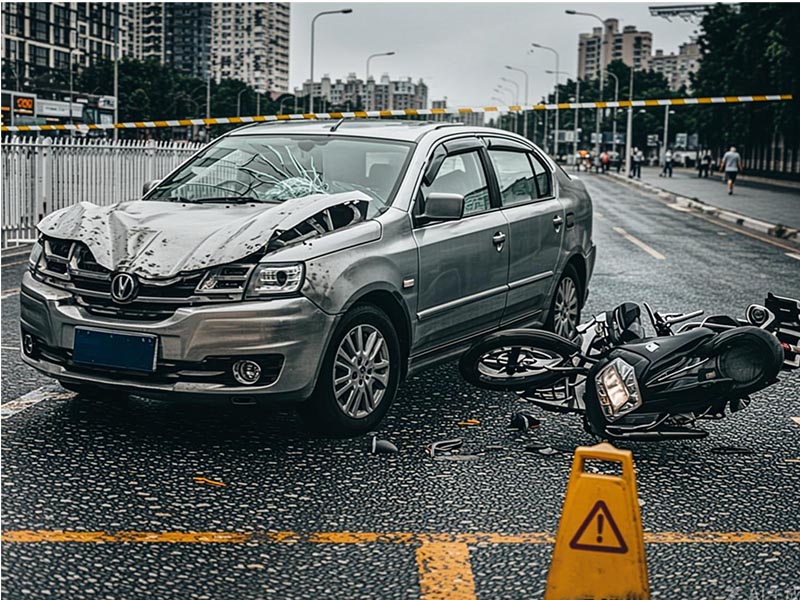
What Is Defensive Driving?
Defensive driving is a proactive approach to operating a motor vehicle that prioritizes safety over convenience, speed, or habit. At its core, defensive driving is about recognizing that you cannot control what other drivers do, but you can control how you respond to their actions and the conditions around you. The defensive driver assumes that other drivers may make mistakes and drives in a way that anticipates and compensates for those potential errors. This mindset shift from being a passive operator to an active safety manager is the foundation of all defensive driving techniques. Defensive driving includes a wide range of practices: maintaining a safe following distance, scanning the road ahead for potential hazards, adjusting speed to match conditions, being aware of blind spots, signaling intentions clearly and early, and staying focused on the task of driving without distractions. It also includes understanding the limitations of your vehicle and your own abilities as a driver. A defensive driver knows their vehicle's braking distance at various speeds, understands how weather conditions affect traction, and recognizes when they are too tired, stressed, or impaired to drive safely. Defensive driving is not about being overly cautious or timid on the road. It is about being smart, aware, and prepared. Drivers who practice defensive driving are less likely to be involved in accidents, and when accidents do occur, they are often less severe because the defensive driver has already taken steps to mitigate the impact. Many insurance companies recognize the value of defensive driving and offer discounts to drivers who complete approved defensive driving courses. Beyond the potential insurance savings, the real value of defensive driving is the peace of mind that comes from knowing you are doing everything you can to stay safe on the road.
The Smith System of Defensive Driving
The Smith System is one of the most widely recognized and respected defensive driving methodologies in the world. Developed by Harold Smith in 1952, the system consists of five key principles that, when followed consistently, can dramatically reduce the risk of accidents. These principles are designed to help drivers maintain space around their vehicle, avoid collisions, and navigate safely through any driving environment. The first principle is "Aim High in Steering." This means looking well ahead of your vehicle, typically 12 to 15 seconds ahead, rather than focusing on the road immediately in front of you. By scanning far ahead, you give yourself more time to identify and react to potential hazards such as stopped vehicles, debris in the road, or changing traffic patterns. The second principle is "Get the Big Picture." This involves maintaining a 360-degree awareness of your surroundings, including checking your mirrors frequently and being aware of what is happening to the sides and behind your vehicle. The third principle is "Keep Your Eyes Moving." Do not fixate on any single object or area. Instead, constantly scan the road, your mirrors, your instruments, and the environment around you. This prevents "highway hypnosis" and ensures you are always aware of changing conditions. The fourth principle is "Leave Yourself an Out." Always position your vehicle so that you have an escape route if something goes wrong. This means avoiding driving in traffic's "blind spots," maintaining a safe following distance, and not boxing yourself in between other vehicles. The fifth principle is "Make Sure They See You." Use your lights, horn, signals, and eye contact to communicate with other drivers. Never assume that another driver sees you, even if you have the right of way. The Smith System is taught to commercial drivers, emergency vehicle operators, and safety-conscious drivers around the world, and its principles are as relevant today as they were when first developed.
Maintaining Safe Following Distances
One of the most critical defensive driving techniques is maintaining a safe following distance. Rear-end collisions are among the most common types of accidents, and they are almost always caused by following too closely. The general rule of thumb is the "three-second rule," which provides a simple way to ensure you are leaving enough space between your vehicle and the car in front of you. To apply the three-second rule, pick a fixed object on the road ahead such as a sign, a tree, or a pavement marking. When the vehicle in front of you passes that object, count "one-thousand-one, one-thousand-two, one-thousand-three." If you reach the object before you finish counting, you are following too closely and should increase your distance. The three-second rule is a minimum for ideal conditions. In adverse conditions such as rain, snow, ice, fog, or darkness, you should increase your following distance to four, five, or even six seconds. At higher speeds, your stopping distance increases exponentially, not linearly. While your reaction time stays roughly the same, the distance your vehicle travels during that reaction time increases with speed, and the distance required to brake to a stop increases even more. A vehicle traveling at 60 miles per hour needs approximately 240 feet to come to a complete stop under ideal conditions, which is nearly the length of a football field. In wet conditions, that distance can double. Tailgating is not only dangerous but also stressful and counterproductive. If the driver in front of you has to brake suddenly, a tailgater has no time to react and will almost certainly cause a collision. Maintaining a safe following distance gives you the time and space you need to react to unexpected events and is one of the simplest and most effective defensive driving techniques you can practice.
Scanning for Hazards
Effective scanning is the art of continuously observing your driving environment to identify potential hazards before they become immediate threats. Many drivers develop tunnel vision, focusing only on the car in front of them and missing important information coming from the sides, behind, and far ahead. Defensive drivers break this habit by systematically scanning all areas of their driving environment. When scanning, you should look at least 12 to 15 seconds ahead, which at highway speeds means looking a quarter-mile or more down the road. This is your "prediction zone," where you can identify potential hazards such as brake lights, traffic slowdowns, merging vehicles, pedestrians, or debris. As you approach these hazards, you move into your "action zone," where you begin to make adjustments such as slowing down, changing lanes, or preparing to stop. While maintaining this forward focus, you should also check your rearview and side mirrors every five to eight seconds to stay aware of traffic behind you and in adjacent lanes. Pay particular attention to your blind spots, especially when changing lanes or merging. A quick shoulder check is essential because mirrors cannot cover all areas around your vehicle. Scan intersections carefully before entering them. Look left, right, and left again before proceeding, even if you have a green light. Be aware of pedestrians, cyclists, and motorcyclists, who can be harder to see than other vehicles. Also scan for road conditions such as potholes, uneven pavement, construction zones, and debris. By developing a systematic scanning routine, you create a comprehensive picture of your driving environment that allows you to anticipate problems before they develop and take proactive steps to avoid them.
Managing Speed
Speed management is a fundamental defensive driving skill that goes beyond simply obeying posted speed limits. While speed limits set the maximum legal speed under ideal conditions, the appropriate speed for any given situation depends on a variety of factors including traffic density, weather conditions, road surface quality, visibility, and your own experience and comfort level. A defensive driver recognizes that the posted speed limit is often too fast for current conditions and adjusts their speed accordingly. In rain, snow, or fog, reducing your speed is essential because your tires have less traction, your visibility is reduced, and other drivers may be behaving unpredictably. On winding roads, you may need to drive slower than the speed limit to maintain control of your vehicle. In heavy traffic, matching the flow of traffic while maintaining a safe following distance is more important than adhering strictly to the speed limit. One of the most dangerous speed-related behaviors is driving too fast for conditions, which is a contributing factor in approximately one-third of all fatal car accidents. Another important aspect of speed management is understanding the concept of "speed differential." The greatest risk of collision occurs when vehicles are traveling at significantly different speeds. This is why merging onto a highway requires matching the speed of highway traffic, and why slowing down abruptly can be as dangerous as speeding. Speed management also involves knowing when to use cruise control and when to turn it off. Cruise control should not be used in heavy traffic, on wet or slippery roads, or in construction zones. A defensive driver is always in control of their speed, making conscious decisions based on the current conditions rather than driving on autopilot.
Dealing With Distracted Drivers
Distracted driving has become one of the most significant threats on the road today. With the proliferation of smartphones, in-vehicle infotainment systems, and other distractions, the number of accidents caused by distracted driving has increased dramatically. According to the National Highway Traffic Safety Administration, distracted driving claimed over 3,000 lives in the United States in a recent year. As a defensive driver, you cannot control whether other drivers are distracted, but you can take steps to protect yourself from their mistakes. The first step is learning to recognize the signs of a distracted driver. A vehicle that is drifting within its lane, varying its speed erratically, failing to respond to traffic signals, or driving with a significant delay in reaction time may be operated by a distracted driver. If you notice a driver who appears distracted, increase your following distance and give them plenty of space. Do not assume that a distracted driver will see you or respond appropriately to your actions. If possible, change lanes to put more distance between your vehicle and the distracted driver. If you cannot change lanes, slow down to create additional following distance and be prepared to take evasive action if necessary. Avoid driving alongside a distracted driver, as they may drift into your lane without warning. If you observe a driver who is severely distracted and posing an immediate danger to others, consider pulling over to a safe location and calling law enforcement to report the vehicle. However, your primary concern should be your own safety. Do not attempt to confront the distracted driver or take any action that could escalate the situation. By being aware of the threat posed by distracted drivers and taking proactive steps to create distance, you can significantly reduce your risk of being involved in a collision caused by someone else's distraction.
Weather and Road Condition Awareness
Driving in adverse weather conditions requires additional skill, patience, and caution. Rain, snow, ice, fog, and extreme heat all affect your vehicle's performance and your ability to control it. The first rule of driving in adverse weather is to decide whether the trip is necessary at all. If conditions are severe, staying home is the safest choice. If you must drive, prepare your vehicle for the conditions you will face. Ensure your tires have adequate tread depth, your windshield wipers are in good condition, and all your lights are working properly. In winter conditions, consider carrying an emergency kit with blankets, a flashlight, a shovel, and traction aids. When driving in rain, reduce your speed by at least one-third and increase your following distance to at least five or six seconds. Rain reduces traction, increases stopping distance, and can cause hydroplaning, where your tires lose contact with the road surface. If you begin to hydroplane, do not brake suddenly or turn the wheel. Instead, ease off the accelerator and steer straight until you regain traction. In snow and ice, drive even slower and avoid sudden movements. Accelerate, brake, and steer gently to maintain traction. If you start to skid on ice, look and steer in the direction you want to go, and avoid slamming on the brakes. In fog, use your low beam headlights or fog lights if you have them. High beams will reflect off the fog and reduce visibility further. Reduce your speed dramatically and be prepared to stop suddenly, as obstacles can appear without warning. In all adverse conditions, give yourself extra time to reach your destination. Rushing increases stress and leads to poor decision-making. Remember that no appointment or obligation is worth risking your safety or the safety of others on the road.
What to Do in an Emergency
Even the most skilled defensive driver can encounter emergencies that require quick thinking and decisive action. Knowing how to respond to common emergency situations can mean the difference between a close call and a serious accident. If you experience a tire blowout, do not slam on the brakes. Grip the steering wheel firmly with both hands, ease off the accelerator, and allow the vehicle to slow down gradually. Steer straight and gently guide the vehicle to the side of the road once you have reduced speed. If your brakes fail, pump the brake pedal rapidly to try to build up hydraulic pressure. If that does not work, downshift to a lower gear and use the parking brake gradually to bring the vehicle to a stop. Look for an escape route such as an uphill grade, a soft shoulder, or a runaway truck ramp. If your accelerator sticks, shift the vehicle into neutral and brake to a stop safely. Do not turn off the engine until the vehicle is stopped, as you may lose power steering and braking assist. If you are about to be hit from behind, brace yourself and prepare to be pushed forward. Press your head firmly against the headrest to prevent whiplash. If you are about to be hit from the side, try to accelerate slightly to reduce the impact angle and severity. If your vehicle enters the water, roll down the windows immediately. Do not wait for the car to fill with water. If the windows are electric and have stopped working, try to break a side window with a window-breaking tool or by striking the corner of the window with a heavy object. In all emergency situations, the most important thing is to stay calm. Panic leads to poor decisions. Take a deep breath, assess the situation, and take deliberate action. Pull over as soon as it is safe to do so and call for assistance if needed. Being prepared for emergencies through regular practice and mental rehearsal can help you react quickly and effectively when seconds count.
Frequently Asked Questions
The safest following distance under ideal conditions is at least three seconds behind the vehicle ahead of you. Use the three-second rule by picking a fixed object and counting the seconds between when the car ahead passes it and when you pass it. In adverse weather or at higher speeds, increase to four to six seconds or more.
If someone is tailgating you, do not brake check them. Instead, gradually slow down to increase the gap between you and the vehicle ahead, then move to the right lane when it is safe to let them pass. If there is no right lane, maintain your speed and allow the tailgater to pass when there is an opportunity.
Yes, taking an approved defensive driving course is beneficial for drivers of all experience levels. These courses teach valuable skills and techniques that can reduce your risk of accidents. Many insurance companies offer discounts of 5% to 15% for completing an approved defensive driving course, which can offset the cost of the course.
Yes, many insurance companies offer discounts for drivers who complete an approved defensive driving course. The discount varies by insurer and state but typically ranges from 5% to 15%. The discount may last for three to five years. Check with your insurance provider before taking a course to confirm eligibility and requirements.
Common defensive driving mistakes include following too closely, failing to scan the road ahead (tunnel vision), not checking mirrors frequently, driving too fast for conditions, failing to signal lane changes, not checking blind spots, driving while distracted, and assuming that other drivers will follow the rules or see you. Awareness of these common mistakes is the first step to avoiding them.