
Distracted Driving Accidents: Prevention and Legal Rights
Distracted driving is one of the most dangerous and preventable causes of motor vehicle accidents in the United States. According to the National Highway Traffic Safety Administration, distracted driving claimed over 3,500 lives in a recent year and resulted in approximately 400,000 injuries. These numbers represent real people whose lives were changed forever by a momentary lapse in attention. Despite widespread awareness campaigns and strict laws in many states, distracted driving remains a persistent problem that affects drivers, passengers, pedestrians, and cyclists alike. This comprehensive guide explores what constitutes distracted driving, the types of distractions that lead to accidents, the legal options available to victims, and the steps you can take to protect yourself and your loved ones from the devastating consequences of distracted driving.
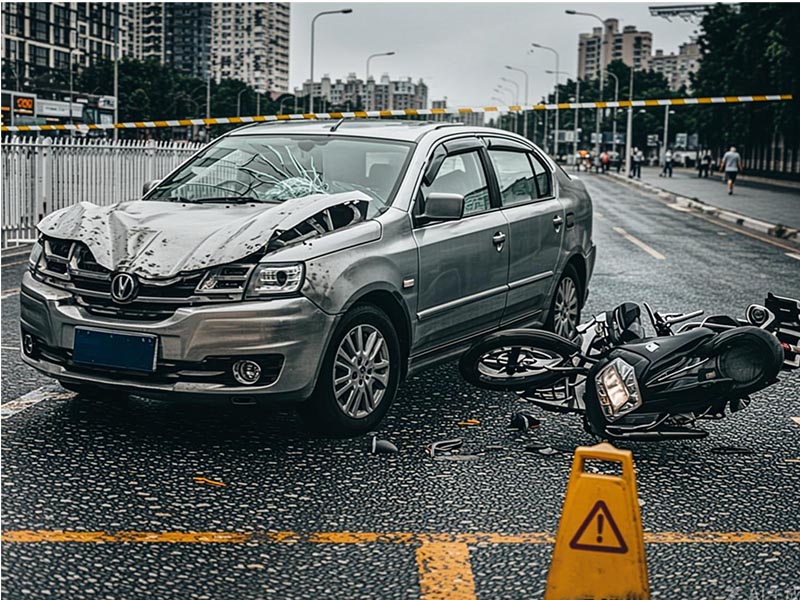
What Is Distracted Driving?
Distracted driving is any activity that diverts attention from driving, including talking or texting on your phone, eating and drinking, talking to people in your vehicle, adjusting the stereo, entertainment, or navigation system, and anything else that takes your eyes off the road, your hands off the wheel, or your mind off the task of driving. The National Highway Traffic Safety Administration defines distraction as any activity that causes a driver to fail to observe their surroundings, react to hazards, or maintain control of their vehicle. Distracted driving is not a minor infraction. It is a life-threatening behavior that kills thousands of people every year and injures hundreds of thousands more.
The problem of distracted driving has grown significantly with the widespread adoption of smartphones. According to the Pew Research Center, nearly all American adults own a cellphone, and a large majority use their phones while driving. The urge to check a notification, respond to a text message, or look up directions can be overwhelming, but the consequences of giving in to that urge can be catastrophic. Sending or reading a text message takes your eyes off the road for an average of five seconds. At 55 miles per hour, that is equivalent to driving the length of a football field with your eyes closed. No text message, phone call, or social media post is worth that risk.
Types of Distractions
Distractions while driving fall into three main categories: visual, manual, and cognitive. Understanding these categories is essential for recognizing dangerous behaviors and avoiding them.
Visual Distractions
Visual distractions occur when a driver takes their eyes off the road. This is the most obvious form of distraction and includes looking at a phone screen, reading a text message, looking at a GPS device, glancing at a passenger, looking at an accident on the side of the road, or checking a blind spot for too long. Any time a driver's eyes are not focused on the road ahead, they are visually distracted and at increased risk of causing an accident. Even a momentary glance away from the road can be enough to miss a pedestrian stepping into the crosswalk, a vehicle stopping suddenly ahead, or a child running into the street.
Manual Distractions
Manual distractions occur when a driver takes one or both hands off the steering wheel. Common manual distractions include reaching for a phone, typing a text message, eating or drinking, adjusting the radio or climate controls, reaching for an object in the vehicle, smoking, or grooming. When a driver has only one hand on the wheel, their ability to steer effectively in an emergency is significantly impaired. If both hands are off the wheel, the driver has virtually no control over the vehicle. Manual distractions are particularly dangerous because they combine with visual and cognitive distractions to create a compound risk.
Cognitive Distractions
Cognitive distractions occur when a driver's mind is not focused on driving. This includes having a conversation on a hands-free phone, talking with passengers, daydreaming, thinking about work or personal problems, listening to a podcast or audiobook that requires concentration, or being under the influence of drugs or alcohol that impair mental function. Many drivers mistakenly believe that hands-free devices eliminate the risk of distracted driving, but research shows that cognitive distraction persists even when the driver's hands are on the wheel and eyes are on the road. The brain cannot multitask as effectively as most people believe. When the mind is occupied with something other than driving, reaction times slow, situational awareness decreases, and the risk of an accident increases.
Statistics and Impact of Distracted Driving
The statistics surrounding distracted driving are sobering. According to the NHTSA, approximately 25% of all car crashes involve some form of driver distraction. In a given year, distracted driving crashes account for thousands of fatalities and hundreds of thousands of injuries. The economic impact is equally staggering, with the total cost of distracted driving accidents estimated at over $40 billion annually in medical expenses, property damage, lost productivity, and legal costs.
Young drivers are disproportionately affected by distracted driving. Drivers under the age of 25 are two to three times more likely to be involved in a distracted driving crash than older drivers. The combination of inexperience, greater reliance on technology, and a tendency to underestimate risk makes young drivers particularly vulnerable. However, distracted driving is not limited to any particular age group. Drivers of all ages engage in distracting behaviors behind the wheel, and the consequences can be equally devastating regardless of the driver's age.
The impact of distracted driving extends beyond the immediate victims of crashes. Families are torn apart by the loss of loved ones. Survivors may face lifelong disabilities, chronic pain, and overwhelming medical debt. Communities lose productive members. The ripple effects of a single distracted driving accident can be felt for generations. Understanding the human cost of distracted driving is essential for motivating behavioral change and supporting stronger enforcement of distracted driving laws.
Proving Distracted Driving in Court
Proving that a driver was distracted at the time of an accident is a critical challenge in many personal injury cases. Unlike drunk driving, which can be established with a simple breathalyzer test, distracted driving often leaves no direct evidence at the scene. However, skilled attorneys have developed a range of strategies for uncovering and proving distracted driving.
Cell phone records are one of the most powerful tools for proving distracted driving. Attorneys can subpoena the at-fault driver's phone records to determine whether calls, text messages, or data usage occurred at or around the time of the accident. If the records show that the driver sent a text message or made a call moments before the crash, this can be strong evidence that the driver was distracted. Phone records are objective and difficult to dispute, making them highly persuasive in court or during settlement negotiations.
Witness testimony is another important source of evidence. Other drivers, passengers, and pedestrians who witnessed the accident may have seen the distracted driver looking down at their phone, swerving in their lane, or failing to react to hazards in the road. Even witnesses who did not see the actual distraction may be able to testify about the driver's behavior before the crash, such as erratic driving, sudden braking, or failure to maintain a consistent speed.
Surveillance footage from nearby businesses, traffic cameras, and red-light cameras can also provide valuable evidence. If a camera captured the driver looking down or holding a phone at the time of the accident, that footage can be used to establish distraction. In some cases, data from the vehicle itself, such as event data recorders (black boxes) or onboard telematics systems, can provide information about the driver's actions in the moments before the crash, including braking, steering, and speed changes.
Social media can also be a source of evidence. If the driver posted on social media around the time of the accident, or if they have a history of posting about distracted driving, that information may be discoverable in litigation. Insurance companies and defense attorneys will also scrutinize the victim's social media accounts for posts that contradict their claims about the severity of their injuries.
Cell Phone Records and Evidence
Cell phone records play a central role in many distracted driving cases. These records can provide a detailed timeline of the driver's phone activity before, during, and after the accident. Attorneys typically seek records showing call logs, text message timestamps, and data usage. In some cases, they may also seek the content of text messages to determine whether the driver was reading or composing messages at the time of the crash.
It is important to note that cell phone records show when a call was made or a message was sent, but they do not necessarily prove that the driver was holding the phone at the precise moment of the crash. Phone records must be combined with other evidence, such as witness statements, accident reconstruction analysis, and expert testimony, to build a complete picture of the driver's distraction.
Privacy concerns can arise when seeking cell phone records. Attorneys must follow proper legal procedures, including issuing subpoenas and providing notice to the phone subscriber. In some cases, the court may need to balance the victim's need for evidence against the driver's privacy rights. An experienced attorney can navigate these legal requirements and ensure that all relevant evidence is obtained in a lawful manner.
Liability of Employers for Distracted Employees
In some distracted driving cases, the liability extends beyond the individual driver to include their employer. This is particularly relevant when the driver was using their phone for work-related purposes at the time of the accident, such as calling a client, responding to a work email, or using a navigation app for a delivery route.
Employers can be held vicariously liable for the negligent acts of their employees under the legal doctrine of respondeat superior, which means "let the master answer." If the employee was acting within the scope of their employment when the accident occurred, the employer may be responsible for the damages. This is especially true when the employer knew or should have known that the employee was engaging in distracted driving. For example, if an employer requires employees to respond to calls or messages while driving, or if the employer provides the employee with a phone and does not have a distracted driving policy, the employer may be held liable.
Employers can reduce their risk of liability by implementing clear distracted driving policies, providing training on safe driving practices, and using technology to monitor and prevent phone use while driving. Many companies now require employees to pull over to a safe location before using their phones for work purposes. Some companies use apps that block incoming calls and messages while the vehicle is in motion.
For victims, identifying the employer as a potentially liable party can significantly increase the compensation available. Employers typically have larger insurance policies than individual drivers, and they may have assets that can be used to satisfy a judgment. An attorney can investigate whether the employer bears any responsibility for the accident and pursue claims against all appropriate parties.
Preventing Distracted Driving
Preventing distracted driving requires a combination of personal responsibility, education, and enforcement. Every driver has the power to make the choice to drive without distractions, and that choice can save lives. The following strategies can help drivers avoid distracted driving and encourage others to do the same.
Put your phone out of reach before you start driving. Place it in the glove compartment, in the trunk, or in a bag in the back seat where you cannot easily access it while driving. If you need to use your phone for navigation, set your destination before you start driving and use a mount that keeps the phone at eye level. Enable Do Not Disturb mode while driving, which automatically silences notifications and sends an auto-reply to incoming messages. Many smartphones have this feature built in, and it can be set to activate automatically when the phone detects that you are driving.
Plan your trip before you leave. Set your GPS, adjust your mirrors, and choose your music or podcast before you start driving. If you need to make adjustments while driving, pull over to a safe location. Do not eat or drink while driving if it requires taking your hands off the wheel or your eyes off the road. If you are driving with passengers, ask them to help with navigation, music, and other tasks so that you can focus on the road.
Be a good passenger. If you are riding with a driver who is distracted, speak up. Ask them to focus on the road. Offer to handle their phone or navigation so they can keep their hands on the wheel and their eyes on the road. Your willingness to have an uncomfortable conversation could prevent a tragedy.
Model good behavior for young drivers. Children and teenagers learn by watching the adults in their lives. If you use your phone while driving, you are sending the message that distracted driving is acceptable. Set a positive example by putting your phone away every time you get behind the wheel. Talk to your teenage drivers about the dangers of distracted driving and establish clear rules and consequences for phone use while driving.
Support stronger distracted driving laws and enforcement in your community. Advocate for hands-free laws, increased penalties for distracted driving, and dedicated enforcement campaigns. Many communities have seen significant reductions in distracted driving crashes after implementing stricter laws and public awareness campaigns. Your voice can make a difference in creating a culture of safe driving in your community.
What to Do If Hit by a Distracted Driver
If you are involved in an accident caused by a distracted driver, the steps you take in the aftermath can significantly affect your ability to recover compensation. First, prioritize your health and safety. Check yourself and your passengers for injuries and call 911 if anyone is hurt. Even if you feel fine, seek medical evaluation as soon as possible, as some injuries may not be immediately apparent.
Document the scene as thoroughly as possible. Take photographs of the vehicles, the surrounding area, and any visible injuries. If you see the other driver using their phone at the time of the crash, make a mental note of what you saw and write it down as soon as possible. Look for witnesses who may have seen the other driver distracted. Ask for their contact information and a brief statement about what they observed.
Call the police and request that an accident report be filed. When the officer arrives, provide a factual account of what happened and mention that you believe the other driver was distracted. Do not speculate or accuse, but do report any observations you made about the other driver's behavior. The police report will be an important piece of evidence in your case.
Preserve all evidence related to the accident. This includes medical records, repair estimates, photographs, witness contact information, and any correspondence with insurance companies. Do not post about the accident on social media, as insurance companies and defense attorneys will monitor your accounts for information that could be used against you.
Contact a personal injury attorney as soon as possible after the accident. An experienced attorney can begin investigating the case immediately, subpoena the other driver's phone records, identify witnesses, and gather other evidence before it is lost or destroyed. Distracted driving cases can be complex, particularly when it comes to proving that the driver was distracted at the time of the crash. An attorney who understands the nuances of these cases can build a strong claim and maximize your recovery. Most personal injury attorneys offer free consultations and work on a contingency fee basis, so there is no upfront cost to you.
Frequently Asked Questions
Lawyers prove distracted driving through a combination of evidence including cell phone records, witness testimony, surveillance footage, traffic camera recordings, and data from the vehicle's event data recorder. Cell phone records showing calls, texts, or data usage at or near the time of the accident are among the most powerful forms of evidence. Witnesses who saw the driver looking down, swerving, or failing to react to hazards can provide crucial testimony. An experienced attorney will pursue all available sources of evidence to establish that the driver was distracted at the time of the crash.
Yes, you can sue a driver who caused an accident while using a phone. Using a phone while driving is a form of negligence, and the driver can be held liable for damages resulting from their distracted driving. In some cases, the employer of the driver may also be held liable if the driver was using the phone for work purposes at the time of the accident. You can recover compensation for medical expenses, lost wages, pain and suffering, and other damages caused by the accident. An attorney can evaluate the specific facts of your case and advise you on your legal options.
Texting while driving is not illegal in all states, but the vast majority of states have enacted laws prohibiting texting while driving. As of the current year, texting while driving is prohibited for all drivers in 48 states and the District of Columbia. Some states only prohibit texting while driving for novice drivers or school bus drivers. Hands-free laws, which prohibit any handheld phone use while driving, are in effect in approximately half of all states. Even in states where texting while driving is not explicitly prohibited, the behavior can still be considered negligent and can form the basis of a personal injury claim. Regardless of the law in your state, texting while driving is dangerous and should always be avoided.
Yes, you may still be able to recover compensation even if you were also distracted at the time of the accident, but your recovery may be reduced by your percentage of fault. Under comparative negligence laws, which apply in most states, your compensation is reduced by your share of responsibility for the accident. For example, if you were 10% at fault for failing to notice the other driver's erratic behavior and your damages total $100,000, you would receive $90,000. However, if you were 50% or more at fault in some states, you may be barred from recovering any compensation. It is important to be honest with your attorney about any distractions that may have contributed to the accident so that they can accurately assess your case and advise you on the likely outcome.
The duration of a distracted driving case varies depending on the complexity of the case, the severity of the injuries, and whether the case settles or goes to trial. Simple cases with clear liability and minor injuries may settle within a few months. Cases involving serious injuries, disputed liability, or multiple parties can take one to three years or longer to resolve. The process of obtaining cell phone records and other evidence can add significant time to the case. Most distracted driving cases are resolved through settlement negotiations rather than trial, which can be faster but still requires time for investigation, discovery, and negotiation. An attorney can give you a more specific timeline based on the circumstances of your case.