
What Is Duty of Care in Personal Injury Law?
Duty of care is the first and arguably most fundamental element of any negligence claim. Before a plaintiff can recover compensation for injuries caused by another person's conduct, they must first establish that the defendant owed them a legal duty to act with reasonable care. Without a duty, there can be no liability, no matter how severe the injury or how careless the defendant's behavior. The concept of duty of care serves as a gatekeeper in personal injury law, determining which cases are permitted to proceed and which are rejected at the outset. It reflects society's judgment about when one person should be held legally responsible for the well-being of another. Duty is not a fixed or universal concept; it varies depending on the circumstances, the relationship between the parties, and the foreseeability of harm. In this article, we will provide a comprehensive examination of duty of care, including its definition, the reasonable person standard, how duty is established in various contexts, examples from different types of cases, and situations in which no duty exists.
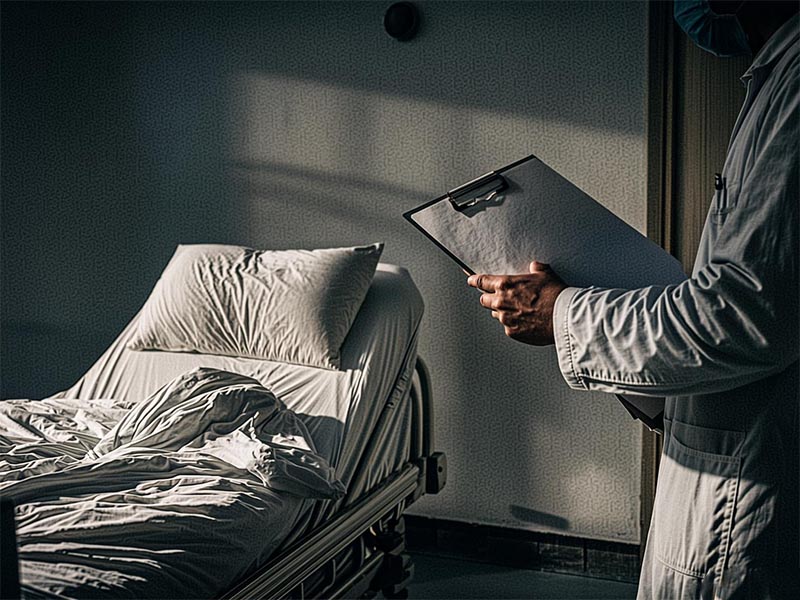
Defining Duty of Care
At its simplest, duty of care is a legal obligation to avoid causing harm to others. It requires individuals and entities to act with the level of care that a reasonably prudent person would exercise under similar circumstances. The duty arises from the recognition that members of society must take reasonable precautions to prevent foreseeable injuries to those who may be affected by their conduct. The concept was famously articulated in the English case of Donoghue v. Stevenson in 1932, in which Lord Atkin introduced the neighbor principle: you must take reasonable care to avoid acts or omissions that you can reasonably foresee would be likely to injure your neighbor. In the legal context, your neighbor refers to anyone who is so closely and directly affected by your conduct that you should have them in mind when you act. This principle has been adopted and refined by courts throughout the United States and continues to serve as the foundation of modern duty analysis.
The Reasonable Person Standard
The reasonable person standard is the objective benchmark against which the defendant's conduct is measured. It asks what a hypothetical reasonable person would have done in the same situation, not what the defendant personally believed was appropriate. The reasonable person is not perfect; they are simply someone who exercises ordinary prudence and common sense. They consider the foreseeable risks of their actions and take reasonable steps to avoid harming others. The standard takes into account the circumstances of the situation, including the likelihood and severity of potential harm, the burden of taking precautions, and the social utility of the defendant's conduct. However, it does not consider the defendant's individual characteristics, such as inexperience, low intelligence, or a tendency to panic. There are limited exceptions to this rule. Children are held to a standard of care appropriate for a child of similar age, intelligence, and experience. Individuals with physical disabilities are expected to act as a reasonable person with the same disability would act. However, mental disabilities and voluntary intoxication are generally not taken into account, and the defendant is held to the standard of a reasonable sober adult.
How Duty of Care Is Established
Courts use several factors to determine whether a duty of care exists in a given case. The most important of these factors is foreseeability. If a reasonable person in the defendant's position would have foreseen that their conduct could cause harm to someone in the plaintiff's position, a duty is likely to exist. However, foreseeability alone is not always sufficient. Courts also consider the nature of the relationship between the parties, public policy considerations, the magnitude of the burden of imposing a duty, and the consequences of recognizing a duty in similar cases going forward. In some situations, duty is established as a matter of law based on the relationship between the parties. For example, doctors owe a duty to their patients, lawyers owe a duty to their clients, and employers owe a duty to provide a safe workplace. In other situations, duty may arise from the defendant's conduct, such as when someone begins a rescue attempt and must then act reasonably to avoid causing further harm to the victim.
Foreseeability of Harm
Foreseeability is the central inquiry in most duty cases. The question is whether the defendant could reasonably anticipate that their conduct might result in injury to someone in the plaintiff's position. If the harm was foreseeable, a duty is likely to exist. If the harm was completely unexpected and unforeseeable, no duty arises. The analysis is objective and looks at what a reasonable person in the defendant's position would have anticipated. It does not require that the defendant actually foresaw the harm, only that they should have foreseen it. Courts consider the nature of the risk, the likelihood that it would materialize, and the connection between the defendant's conduct and the plaintiff's injury.
Special Relationships
Certain relationships give rise to an affirmative duty to act, meaning the defendant has an obligation to take positive steps to protect the plaintiff from harm. These special relationships include doctor-patient, attorney-client, employer-employee, school-student, common carrier-passenger, and innkeeper-guest. In these relationships, the duty is typically higher than the ordinary duty to avoid causing harm, and it may include an obligation to warn of dangers, provide assistance, or take other protective measures. For example, a school has a duty to supervise its students and protect them from foreseeable harm while they are on school grounds. A common carrier such as an airline or bus company has a duty to exercise the highest degree of care for the safety of its passengers.
Professional Standards of Care
Professionals, including doctors, lawyers, accountants, and architects, are held to a standard of care that is higher than that of an ordinary reasonable person. They are expected to possess and exercise the knowledge, skill, and care that a reasonably competent professional in the same field would exercise under similar circumstances. This standard is typically established through expert testimony, which educates the jury about the accepted practices and protocols in the relevant profession. A professional who deviates from this standard may be liable for malpractice.
Examples of Duty of Care in Different Contexts
Property owners owe a duty to maintain their premises in a reasonably safe condition and to warn visitors of hidden dangers. The scope of the duty depends on the visitor's classification: invitees such as customers in a store are owed the highest duty, licensees such as social guests are owed a duty to warn of known dangers, and trespassers are generally owed only a duty to avoid willful or wanton harm. Doctors owe a duty to diagnose and treat their patients in accordance with accepted medical standards. This includes obtaining informed consent before performing procedures and referring patients to specialists when necessary. Drivers owe a duty to operate their vehicles safely and obey traffic laws. This duty extends to other motorists, passengers, pedestrians, and cyclists. Employers owe a duty to provide a safe work environment, including proper training, equipment, and safety protocols. This duty arises both at common law and under the Occupational Safety and Health Act.
When No Duty of Care Exists
There are situations in which courts have declined to recognize a duty of care. These cases typically involve policy considerations that militate against imposing liability. For example, social hosts are generally not required to protect guests from the foreseeable consequences of their own intoxication, though some states have enacted statutes creating liability in certain circumstances. Similarly, bystanders are generally not required to render aid to a person in peril, even if they could do so without risk to themselves. This is sometimes called the no-duty-to-rescue rule. Public entities, such as government agencies, may be immune from liability for certain types of claims under the doctrine of sovereign immunity. Property owners generally do not owe a duty to protect others from the criminal acts of third parties unless there is a special relationship or the criminal act was foreseeable. Courts are often reluctant to impose a duty that would place an undue burden on the defendant or that would open the floodgates to limitless litigation. The decision to recognize or reject a duty ultimately reflects a balancing of competing policy considerations.
Frequently Asked Questions
No, you do not always owe a duty of care to others. Duty arises only when a reasonable person in your position would foresee that their conduct could cause harm to someone else. There are many situations in which no duty exists. For example, you generally have no duty to rescue a stranger in danger, even if you could do so safely. You also generally have no duty to protect others from the criminal acts of third parties unless you have a special relationship with the person or the criminal act was foreseeable. Courts balance multiple factors when deciding whether a duty exists, including foreseeability, the relationship between the parties, and public policy considerations. The specific facts of each case determine whether a duty is present.
The reasonable person standard is an objective legal test used to determine whether a defendant's conduct fell below the required standard of care. It asks how a hypothetical reasonable person would have acted under the same circumstances. The reasonable person is not perfect or infallible, but they exercise ordinary prudence, common sense, and consideration for the safety of others. The standard considers factors such as the likelihood and severity of potential harm, the burden of taking precautions, and the social utility of the defendant's conduct. It does not consider the defendant's individual quirks, low intelligence, or inexperience. The reasonable person standard is used by juries to evaluate whether the defendant's conduct was negligent.
Yes, businesses generally owe a higher duty of care to their customers than individuals owe to one another in casual social settings. Business owners are considered to have a special relationship with their customers, who are classified as invitees under premises liability law. This means the business must not only correct known hazards but also inspect the premises to discover hidden dangers and take reasonable steps to protect customers from foreseeable harm. The duty extends to maintaining safe walkways, adequate lighting, proper security measures, and promptly cleaning up spills or other hazardous conditions. The heightened duty reflects the fact that businesses invite the public onto their property for commercial gain and are in the best position to prevent injuries.
Yes, a duty of care can exist between complete strangers. In fact, most negligence cases involve parties who had no prior relationship. For example, a driver owes a duty of care to every other motorist, pedestrian, and cyclist on the road, even if they have never met. Similarly, a property owner owes a duty of care to visitors who enter their premises, including first-time customers or guests. The key factor is not the relationship between the parties but whether the defendant's conduct posed a foreseeable risk of harm to the plaintiff. In many everyday situations, the duty of care arises simply because the defendant's actions have the potential to affect others, regardless of whether the parties know each other.
If a court determines that the defendant did not owe a duty of care to the plaintiff, the negligence claim fails as a matter of law, regardless of how severe the plaintiff's injuries may be. The case can be dismissed on summary judgment before it ever reaches a jury. This is because duty is the first element of a negligence claim, and without it, the remaining elements of breach, causation, and damages become irrelevant. The lack of a duty means the defendant had no legal obligation to act with care toward the plaintiff, and therefore cannot be held liable for the plaintiff's injuries. This outcome can be frustrating for injured plaintiffs, but it reflects the legal system's judgment that not every harm suffered is one for which the law provides a remedy.