
Road Rage and Aggressive Driving Accidents: Legal Guide
Road rage is a growing epidemic on America's roadways. What starts as a minor traffic frustration can quickly escalate into aggressive driving maneuvers, verbal confrontations, and even violent physical altercations that result in serious accidents and injuries. Unlike typical car accidents caused by simple negligence, road rage accidents often involve intentional or reckless conduct that can have significant implications for liability and compensation. If you have been injured in an accident caused by a road raging driver, understanding the legal landscape is essential for protecting your rights and pursuing the full compensation you deserve.
Road rage incidents are distinct from ordinary traffic accidents in several important ways. The driver who causes the accident is not merely negligent but is acting with intent, recklessness, or a conscious disregard for the safety of others. This distinction matters because it affects the types of legal claims you can bring, the damages you can recover, and the potential for punitive damages. Road rage can take many forms, including aggressive tailgating, sudden braking, cutting off other drivers, throwing objects, making verbal threats, and using a vehicle as a weapon. Each of these behaviors creates unique legal challenges and opportunities for victims seeking justice.
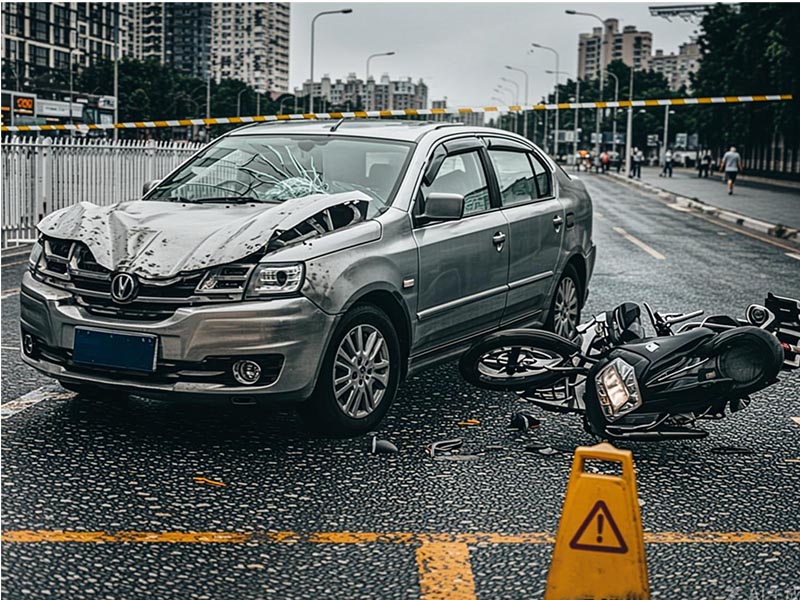
Understanding Road Rage and Aggressive Driving
Road rage and aggressive driving are related concepts but are legally distinct. Aggressive driving is generally defined as operating a motor vehicle in a manner that endangers or is likely to endanger persons or property. This includes behaviors such as speeding, tailgating, weaving through traffic, running red lights, and failing to yield. While aggressive driving is dangerous and illegal, it is typically charged as a traffic violation rather than a criminal offense, unless it escalates to more serious conduct.
Road rage, on the other hand, involves intentional behavior motivated by anger or frustration. It goes beyond aggressive driving to include acts such as verbal threats, physical gestures, intentionally hitting another vehicle, brandishing weapons, or engaging in a physical altercation. Road rage can be charged as a criminal offense, including assault, battery, reckless endangerment, and even attempted murder in extreme cases. Understanding the distinction between aggressive driving and road rage is important for legal purposes because it affects both the criminal liability of the offending driver and the types of civil claims available to the victim.
How Road Rage Leads to Accidents
Road rage can cause accidents in numerous ways. One common scenario involves a driver who becomes angry at another driver for cutting them off, driving too slowly, or failing to yield. The angry driver then retaliates by tailgating, flashing their headlights, or attempting to box in the other vehicle. This behavior can cause the targeted driver to panic and make a sudden maneuver that results in a collision. Alternatively, the road raging driver may intentionally cause a collision by brake-checking, side-swiping, or ramming the other vehicle.
Another dangerous road rage behavior is using a vehicle as a weapon. This occurs when a driver intentionally steers their vehicle into another vehicle or person with the intent to cause harm. This is not a traffic accident in the traditional sense but rather an intentional tort or criminal act. Road rage can also lead to accidents when drivers become so focused on their anger that they fail to notice changing traffic conditions, pedestrians, or other hazards. The adrenaline and emotional arousal associated with road rage impair judgment and reaction time, making accidents more likely. In some cases, road rage incidents escalate to the point where drivers exit their vehicles and engage in physical confrontations, creating additional risks of injury.
Proving Road Rage in Court
Proving that an accident was caused by road rage rather than ordinary negligence requires compelling evidence. Unlike negligence, which involves a failure to exercise reasonable care, road rage involves intentional or reckless conduct. To prove road rage, you must show that the other driver acted with intent to cause harm or with a conscious disregard for the safety of others. This is a higher standard of proof than simple negligence, but it opens the door to additional types of compensation, including punitive damages.
Evidence that can help prove road rage includes dashcam footage that captures the other driver's aggressive behavior, witness testimony from other motorists or passengers, and police reports that document the other driver's conduct at the scene. If the other driver made verbal threats or gestures, these can be powerful evidence of their intent. Text messages, social media posts, or other communications in which the driver expressed anger or intent to harm someone can also be relevant. In some cases, expert testimony from a traffic safety expert or accident reconstruction specialist can help establish that the other driver's conduct was not merely negligent but intentional or reckless. An experienced attorney can help you gather and present this evidence effectively.
Criminal vs. Civil Liability
Road rage incidents often result in both criminal charges and civil liability for the offending driver. On the criminal side, a driver who engages in road rage may be charged with offenses ranging from reckless driving to assault with a deadly weapon to attempted murder, depending on the severity of their conduct. Criminal charges are brought by the state and are intended to punish the offender and protect the public. If the driver is convicted, they may face fines, probation, jail time, and other penalties.
On the civil side, the victim of road rage can file a personal injury lawsuit against the offending driver to recover compensation for their injuries and damages. The burden of proof in a civil case is lower than in a criminal case. While a criminal case requires proof beyond a reasonable doubt, a civil case requires only a preponderance of the evidence. This means that even if the driver is not convicted in criminal court, they can still be held liable in civil court. Additionally, because road rage involves intentional conduct, the victim may be able to recover punitive damages, which are designed to punish the wrongdoer and deter similar conduct in the future. Punitive damages are not typically available in ordinary negligence cases.
Compensation for Road Rage Victims
Victims of road rage accidents are entitled to seek compensation for the same types of damages available in other personal injury cases, plus potentially punitive damages. Economic damages include medical expenses, lost wages, loss of earning capacity, and property damage. Non-economic damages include pain and suffering, emotional distress, loss of enjoyment of life, and loss of consortium. Because road rage involves intentional or reckless conduct, victims may also be able to recover punitive damages, which are not limited by the same caps that apply to negligence cases in some states.
Punitive damages in road rage cases can be substantial, as they are intended to punish the wrongdoer and send a message that such behavior will not be tolerated. In Georgia, punitive damages are capped at $250,000 in most cases, but the cap does not apply if the defendant acted with specific intent to cause harm. Since road rage involves intentional conduct, the cap may not apply, allowing for potentially higher punitive damages. In addition to suing the driver, victims may also be able to hold other parties liable, such as the driver's employer if the road rage occurred while the driver was working, or a property owner if inadequate security contributed to the incident.
How to Protect Yourself From Road Rage Drivers
While you cannot control the behavior of other drivers, there are steps you can take to reduce your risk of being involved in a road rage incident. The most important strategy is to avoid engaging with aggressive drivers. If another driver is tailgating you, move over and let them pass. If someone is driving aggressively near you, slow down and create distance between your vehicle and theirs. Do not make eye contact, do not return gestures, and do not respond to verbal taunts. Engaging with an aggressive driver only escalates the situation and increases the risk of an accident.
If you believe you are being targeted by a road raging driver, do not drive home where the driver could learn where you live. Instead, drive to a public place such as a police station, fire station, or busy shopping center. Call 911 if you feel threatened and provide the dispatcher with your location, a description of the other vehicle, and the driver's behavior. If an accident is unavoidable, try to minimize the impact by slowing down and steering away from the other vehicle. After the accident, stay in your vehicle with the doors locked and wait for police to arrive. Do not exit your vehicle to confront the other driver, as this can lead to a physical altercation.
Frequently Asked Questions
Road rage can be both a crime and a civil matter. On the criminal side, road rage can result in charges such as reckless driving, assault, battery, and even attempted murder, depending on the severity of the conduct. On the civil side, the victim can file a personal injury lawsuit against the road raging driver to recover compensation for their injuries. The criminal and civil cases are separate and proceed independently. A driver can be found not guilty in criminal court but still be held liable in civil court because the burden of proof is lower.
Yes, you can sue a driver who caused an accident due to road rage. Because road rage involves intentional or reckless conduct, you may be able to bring claims for assault, battery, intentional infliction of emotional distress, and negligence. You can recover compensation for medical expenses, lost wages, pain and suffering, and other damages. Additionally, you may be able to recover punitive damages, which are designed to punish the wrongdoer and are not capped in the same way as in ordinary negligence cases.
Punitive damages, also called exemplary damages, are monetary awards that go beyond compensating the victim for their losses. Their purpose is to punish the defendant for particularly egregious conduct and to deter the defendant and others from engaging in similar behavior in the future. In road rage cases, punitive damages are often available because the driver's conduct is intentional or reckless. In Georgia, punitive damages are capped at $250,000 in most cases, but the cap does not apply when the defendant acted with specific intent to cause harm, which is often the case in road rage incidents.
Proving road rage requires evidence that the other driver acted intentionally or recklessly rather than merely negligently. Useful evidence includes dashcam footage of the incident, witness testimony from other drivers or passengers, police reports documenting the other driver's behavior at the scene, and any admissions or statements made by the other driver. Evidence of threats, gestures, or aggressive driving patterns can also help establish road rage. An experienced attorney can help you gather and present this evidence effectively.
If another driver is exhibiting road rage toward you, do not engage. Avoid eye contact, do not respond to gestures or taunts, and do not retaliate. Slow down and let the aggressive driver pass. If the driver continues to target you, drive to a public place such as a police station or busy shopping center. Call 911 if you feel threatened. Do not drive home, as the driver may follow you. If an accident occurs, stay in your vehicle with the doors locked and wait for police. Your safety is the top priority.